What Is A Curtain Wall? Types Of Drape Wall Surfaces Upgraded 2025
Curtain walls are an external layer of a building that is used to enclose the structure. A drape wall surface can be composed of glass, metal paneling, or another product that permits light to pass through it. However, entirely relying upon daylight to completely illuminate certain jobs demands careful consideration of numerous aspects. Window dimension, placement, and calculated daylight factors all enter play in ensuring appropriate and proper natural light distribution for specialized workplace. Curtain wall strength hinges on the rigidness of its upright mullions and their safe anchorage to the structure frame. Polishing grains and compressible materials even more boost durability against wind damages by allowing panels to relocate independently within the system, lessening anxiety on the total framework.
- Recognizing the concept of a drape wall surface is important in the realm of building and layout.The disadvantage is they require considerable upfront planning and can be much more expensive because of the cost of pre-fabrication and transportation.Stick-built drape wall surface systems are a prominent type of exterior cladding system made use of in contemporary structure design.Curtain wall supports must be made to allow differential activity in between the building structure and the curtain wall.We provide our Forensic Building Consulting solutions to architects, engineers, and structure professionals.A drape wall surface is an outside covering of a building in which the outer wall surfaces are non-structural, rather serving to secure the interior of the structure from the aspects.
Drape Wall Types
Curtain wall surface façades in style are usually the most important facet from a layout point ofview, as they set the tone for the rest of the building. These non-load-bearing outside wall surfaces are an appealing method to confine structures while offering energy-efficient and weather-resistant options. Upright mullions and straight transoms are part of a framing system generally used in drape wall surfaces. These are the upright and straight components that develop the architectural grid for supporting glass panels or other materials with each other. This article gives an overview of drape wall surface façades and will begin with the major façade styles. In addition, drape wall surfaces can be engineered to improve fire resistance and water diversion, further boosting the safety and security and durability of the structure.
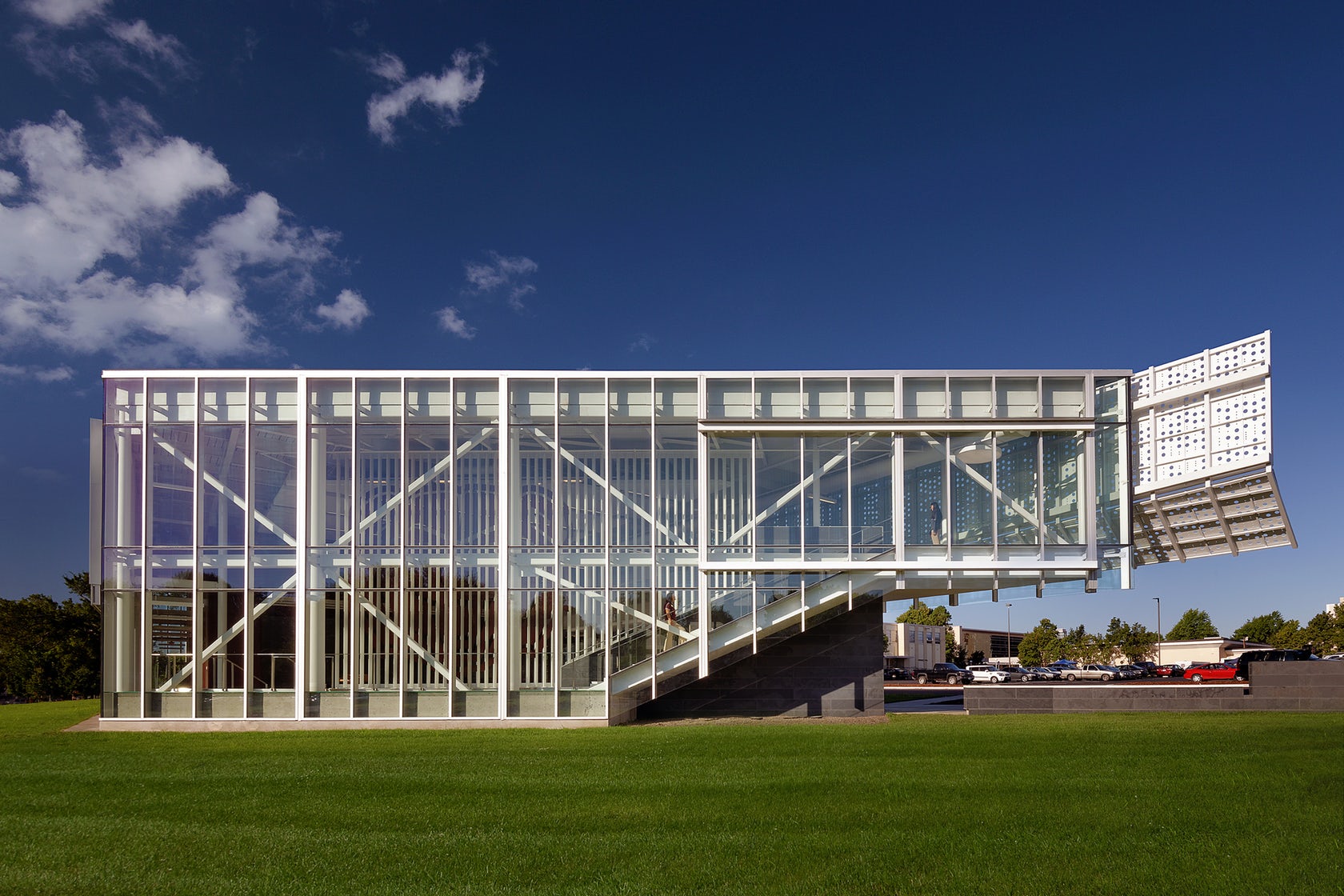
The pressure-equalized system obstructs all forces while maintaining the structure's interior air-tight. This is the toughest system, which provides a reputable resistance to air and water. Architectural glazed drape walls are a type of drape wall surface that offer structure and strength to the drape wall surface system. Stick drape walls are preferred because they do not take up much area and are more economical. They additionally give far better insulation and audio control than regular walls, that makes them popular with living areas in metropolitan areas that might be bordered by various other buildings with great deals of noise and task.
Furthermore, these systems can be developed to take full advantage of all-natural air flow, further reducing reliance on mechanical HVAC systems. Steel drape wall systems are a prominent choice for modern-day building style, providing a series of advantages for industrial and household applications. These systems are known for their stamina, longevity, and capacity to create striking and distinct structure facades. Aluminum curtain wall systems are among one of the most prominent types of curtain wall surface Visit this site systems used in modern building layout. These systems are highly flexible and can be personalized to satisfy a variety of visual and functional needs, making them excellent for a wide range of industrial and household applications. One of the main benefits of double skin drape wall surface systems is their capacity to substantially enhance the power performance of a building.As discussed earlier in this post, various other important factors to consider referring to glazing choice consist of managing solar heat gain, glare control, thermal insulation performance, and acoustic residential properties. The assimilation of sophisticated technologies like 3D printing and digital construction is transforming drape wall systems. These approaches allow for precision in layout and customization that were formerly unattainable.
Shop systems may call for more constant maintenance than drape walls as a result of their building and installment in high-use applications and high-traffic locations. Whether it's a commercial structure, domestic complex, or public facility, drape wall surface systems offer a practical and aesthetically pleasing solution for designers and building owners alike. Inevitably, the option between unitized and stick systems relies on factors such as task size, design flexibility, and degree of modification wanted. Consulting with an experienced specialist can help determine the best technique for your certain needs. You can trust our specialist service with our fully grown experience in various tasks, like CYBERZONE in the Philippines, GLAS TOWER in the Philippines, and MOFP in Tanzania. Our business drape walls can go beyond your expectations and provide solutions integrating visual allure and useful performance.
Addressing Architectural Stability, Seismic Durability, And Thermal Efficiency
This is because they make use of corrosion-resistant products and any forces they sustain (i.e. wind) transfer to the linked building framework. Considering that strengthened concrete and architectural steel got in the photo, engineers have learned that thinner columns could still sustain a building. A lot more fascinating, they might exist independent of the outside, implying external wall surfaces no more needed to shoulder structural loads. They give a structure a lot more all-natural light, which makes them ideal for office use. Job performed in natural light evokes feelings of positivity, which will certainly make staff members using the space much more reliable and better to perform their jobs. The proprietor of the premises will certainly additionally discover that their power bills lower because of the lesser demand for man-made light and home heating.
Overall, curtain wall surface building and construction offers a range of benefits, including improved aesthetics, enhanced energy efficiency, boosted all-natural light, style versatility, and potential price financial savings. By integrating drape walls right into structure layout, architects and designers can create aesthetically enticing and sustainable structures that satisfy the demands of both residents and the setting. A curtain wall is a kind of non-structural, large structure exterior made from light-weight materials such as aluminum, steel, vinyl, glass and other systems like unitized http://dantehbxp478.lucialpiazzale.com/mount-metal-roof-on-shed-detailed-guide curtain walls. It is commonly used to supply insulation against wind, rain, snow and other aspects while using windows and doors for ventilation. They likewise produce a visually pleasing look while enhancing the overall visual charm of a structure. Stick-built wall systems are delivered in mounting items for area fabrication and/or field setting up. The producer can equip the framing for these curtain wall surface systems as stock sizes to be reduced, machined, put together, and sealed in the area. Conversely, they can be delivered as knocked-down parts, pre-machined in the factory, and need assembly and sealing just in the field. Recognizing the different sorts of drape wall surface systems is essential when preparing a construction project.